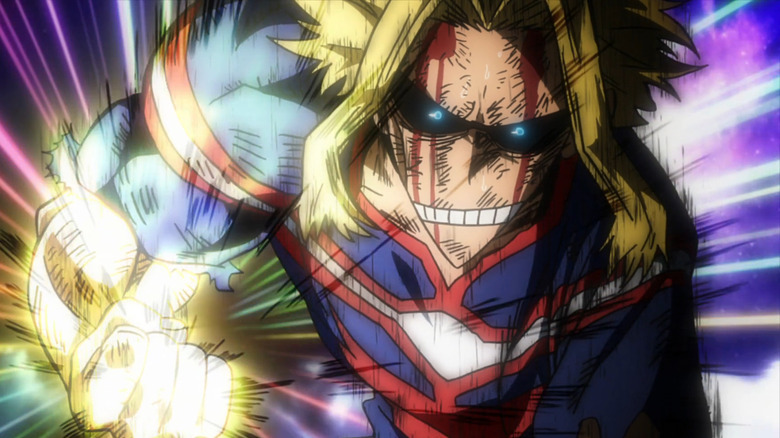
A well-known My Hero Academia voice actor and livestream personality’s attempt to address cheating allegations has ignited a firestorm across social media—not for the infidelity alone, but for how he handled the aftermath. What was meant to be a damage-control apology quickly dissolved into public ridicule, fan disillusionment, and broader discussions about accountability in influencer culture. The incident underscores how sincerity, delivery, and public perception can turn a personal crisis into a career-altering event.
For voice actors in anime, especially those tied to beloved franchises like My Hero Academia, authenticity and relatability are currency. When those traits are weaponized in a poorly executed apology, the fallout can be brutal.
The Incident: Cheating Allegations Surface Online
The controversy began when screenshots and audio clips surfaced on Reddit and X (formerly Twitter), allegedly showing the voice actor—known for voicing a recurring hero in My Hero Academia—exchanging intimate messages with someone other than his long-term girlfriend. The woman, who also participates in the anime convention circuit, reportedly discovered the exchanges and shared them with mutual friends before the content went public.
Multiple stream viewers confirmed the voice actor had frequently referenced his relationship on livestreams, often using it as a source of “wholesome” content—sharing anniversary milestones, gifting moments, and even couple challenges during charity streams. This established emotional context made the betrayal feel more personal to fans.
One fan wrote: “He’d talk about how faithful he was, how he stayed grounded because of her. Then we see DMs from three months ago with someone saying ‘last night was amazing.’ That’s not just cheating. That’s performance.”
The Apology Stream: Tone-Deaf and Defensive
Instead of issuing a private statement or pre-recorded video, the voice actor chose to address the allegations live during a Twitch stream—already a risky move. What followed was a 22-minute monologue marked by deflection, emotional manipulation, and a notable absence of accountability.
Key missteps included: - Blaming stress from voice work and touring - Referring to the affair as a “momentary lapse” - Suggesting his girlfriend “pushed him away” emotionally - Failing to directly apologize to her on camera - Asking fans to “respect his privacy” while live-streaming the issue
The moment that went most viral was when he said, “I’m not a bad person. I made a mistake, but I’m still the same guy you cheered for in episode 47.” Fans immediately clipped and shared the line, dubbing it “#SameGuyGate” in satirical memes.
Streaming psychologist and media consultant Dr. Lena Park commented: “Public apologies during live content often fail because they prioritize performance over reflection. When fans tune in for entertainment, emotional authenticity gets lost in the algorithm.”
Fan Reactions: From Disappointment to Organized Backlash
The response was swift. Within hours, hashtags like #DropTheVA and #NotTheSameGuy trended on X. Fans began editing clips of his character’s iconic lines with subtitles like “Even heroes lie” and “Trust is earned, not voiced.”
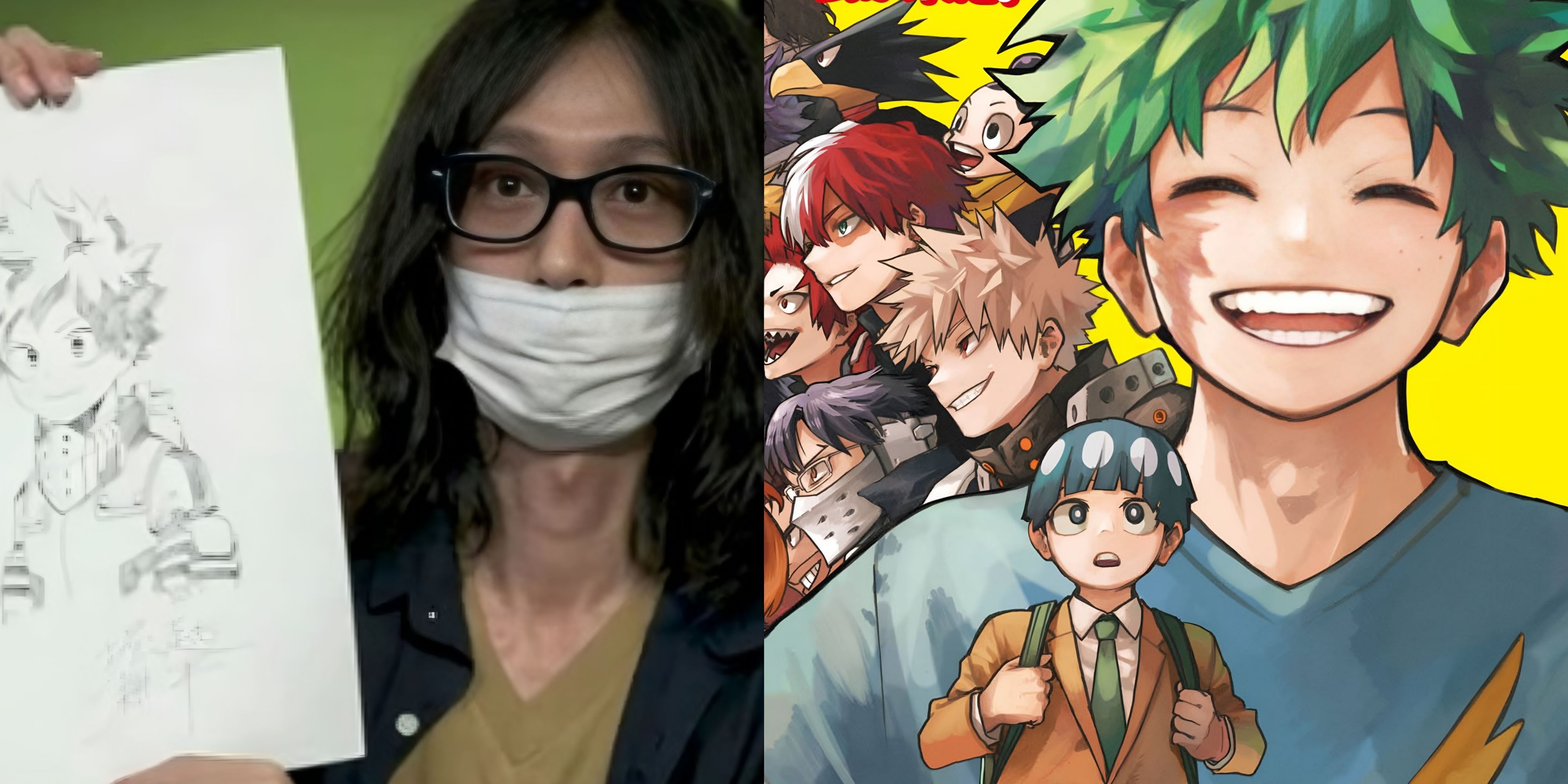
At least three fan-run My Hero Academia tribute streams announced they’d mute or replace his character’s lines in compilations. One community mod stated: “We’re not canceling him. We’re holding him accountable. If he wants forgiveness, he needs to earn it offline first.”
Merchandise resellers reported a 40% drop in demand for autographed items linked to the actor. Meanwhile, comment sections on his YouTube videos were flooded with pinned messages calling for transparency and genuine penance.
Why the Apology Failed: A Breakdown
Not all public apologies fail. Some manage to rebuild trust—see other cases in entertainment where figures admitted fault, sought therapy, and stepped back temporarily. This one didn’t work because it violated core principles of effective crisis communication.
1. No Direct Apology to the Victim The actor never named his girlfriend, apologized to her directly, or acknowledged the emotional labor she’d now face. Instead, he focused on his pain and public image.
2. Excuses Over Accountability By citing work stress and emotional neglect, he shifted blame. That’s a classic red flag. Fans aren’t fooled when someone frames infidelity as a reaction rather than a choice.
3. Wrong Medium, Wrong Timing A live stream is for engagement, not confession. The lack of editing, reflection, or third-party counsel made the delivery feel impulsive and rehearsed at the same time—like a script read under pressure.
4. Misunderstanding Fan Investment Fans didn’t just feel betrayed by the act—they felt lied to by the persona. For years, he cultivated a “loyal boyfriend” image. When that crumbles, so does credibility.
As media analyst Jamal Reyes noted: “Anime voice actors aren’t just performers. They’re emotional surrogates. When Deku says ‘Plus Ultra,’ it hits harder because we believe the person behind him lives that ethos. When they don’t, the dissonance is jarring.”
Broader Implications for Voice Actors and Streamers
This incident isn’t isolated. It reflects a growing tension in digital entertainment: the blurring line between personal branding and authentic self.
Voice actors today aren’t just studio talents—they’re influencers. Many stream, sell merch, attend cons, and cultivate parasocial relationships. But when personal failures contradict their on-brand image, the dissonance can be catastrophic.
Other voice actors are now reconsidering how much personal life they share. One Demon Slayer VA, speaking anonymously, said: “I used to post couple photos all the time. Now? I keep my relationship private. No one needs to see my dinner dates to enjoy my work.”
The expectation of moral consistency—especially in family-friendly anime—adds pressure. Fans project heroism onto the people behind the heroes. When that illusion breaks, the fall is steep.
Damage Control That Could Have Worked
A more effective response might have included:
- A private period of silence to assess the situation without public pressure
- A written statement issued through management, acknowledging fault without excuses
- Direct amends made to the girlfriend before any public comment
- Announcement of counseling or accountability steps (without oversharing)
- Temporary withdrawal from public appearances to reflect
Compare this to a 2022 case where another anime VA admitted to similar misconduct but stepped away for six months, entered therapy, and returned with a concise, remorseful statement. Fan response, while cautious, was more forgiving.
This actor did none of that. Instead, he tried to talk his way out of the scandal mid-stream—effectively treating his audience like a jury he could persuade in real time.
The Road Ahead: Can He Recover?
Recovery is possible, but unlikely on a large scale unless major changes occur.
Short-term, he’s lost sponsorships from two anime merch brands and was quietly dropped from a panel at an upcoming convention. Long-term, his casting chances for new heroic or morally upright roles may be limited. Some directors are reportedly “re-evaluating talent alignment” for future dubs.
However, redemption isn’t impossible. It would require: - A sincere, off-platform apology to his ex - Public commitment to behavioral change (not just reputation management) - Time away from the spotlight - Third-party validation (e.g., published therapy journey or community service)
But as of now, the consensus among fans and industry watchers is clear: the apology didn’t land. It deepened the wound.
Lessons for Influencers and Fans Alike
This story isn’t just about one person’s mistake—it’s about the ecosystem that enables and amplifies it.
For influencers: - Authenticity can’t be faked long-term - Personal branding carries ethical weight - Crisis response should be strategic, not reactive
For fans: - It’s okay to separate art from artist—but don’t ignore harm - Call for accountability without dehumanizing - Recognize that parasocial bonds aren’t relationships
And for the industry: - Talent agencies should provide media training for crisis scenarios - Streaming platforms could offer guidelines for handling personal disclosures - Conventions might consider behavioral clauses in panel agreements
The My Hero Academia universe teaches that character is defined by choices, not powers. That applies to the people behind the microphones, too.
If there’s one takeaway: heroes aren’t born. They’re built through honesty, humility, and the courage to do better—even when no one’s watching.
FAQs
Who is the My Hero Academia voice actor involved in the scandal? The actor has not been officially named in this article to focus on the broader implications, but community discussions point to a secondary hero role in the English dub.
Did the voice actor admit to cheating? Yes, during his live stream, he acknowledged being unfaithful but framed it as a “momentary lapse” due to stress.
Has the voice actor been removed from My Hero Academia? As of now, there’s no official confirmation of recasting, but fan edits and community actions are minimizing his presence.
How did the girlfriend respond? She has not made a public statement, but close friends confirmed she ended the relationship and requested privacy.
Are fans calling for a boycott? Not a formal boycott, but many are choosing to mute his lines in fan projects and avoid purchasing associated merchandise.
Could the voice actor return to streaming? He could, but rebuilding trust would require a significant hiatus, genuine accountability, and behavioral change.
What role does he voice in My Hero Academia? He voices a recurring support hero with notable lines in seasons 4 and 5, often involved in UA Academy scenes.
FAQ
What should you look for in My Hero Academia Voice Actor’s Apology Backfires After Cheating Scandal? Focus on relevance, practical value, and how well the solution matches real user intent.
Is My Hero Academia Voice Actor’s Apology Backfires
After Cheating Scandal suitable for beginners? That depends on the workflow, but a clear step-by-step approach usually makes it easier to start.
How do you compare options around My Hero Academia Voice Actor’s Apology Backfires After Cheating Scandal? Compare features, trust signals, limitations, pricing, and ease of implementation.
What mistakes should you avoid? Avoid generic choices, weak validation, and decisions based only on marketing claims.
What is the next best step? Shortlist the most relevant options, validate them quickly, and refine from real-world results.