Hollywood doesn’t resurrect careers out of sentimentality. It does so when sentiment sells tickets. Matthew Lillard knows this better than most. Once a defining face of early '90s and 2000s teen cinema — a misfit with manic energy and unpredictable charm — he’s watched his relevance ebb and flow like a tide governed by cultural memory. Now, with roles trickling back in franchises and reboots, Lillard isn’t fooled. “I don’t think anyone really likes me,” he’s said. “They just miss the old times.” That line cuts deep — not just because it’s self-deprecating, but because it’s likely true.
And that truth reveals something uncomfortable about modern Hollywood: it’s less interested in reinvention than in resurrection.
The Nostalgia Economy and the Matthew Lillard Effect
Nostalgia isn’t just emotion — it’s infrastructure. Studios now operate like hedge funds betting on retro IP: sequels, reboots, legacy characters, and “where are they now?” casting. The math is simple: audiences over 30 have disposable income, and those under 30 are drawn to curated vintage aesthetics. Between TikTok trends reviving old hits and streaming libraries making decades of content instantly accessible, nostalgia has become a reliable engine for engagement.
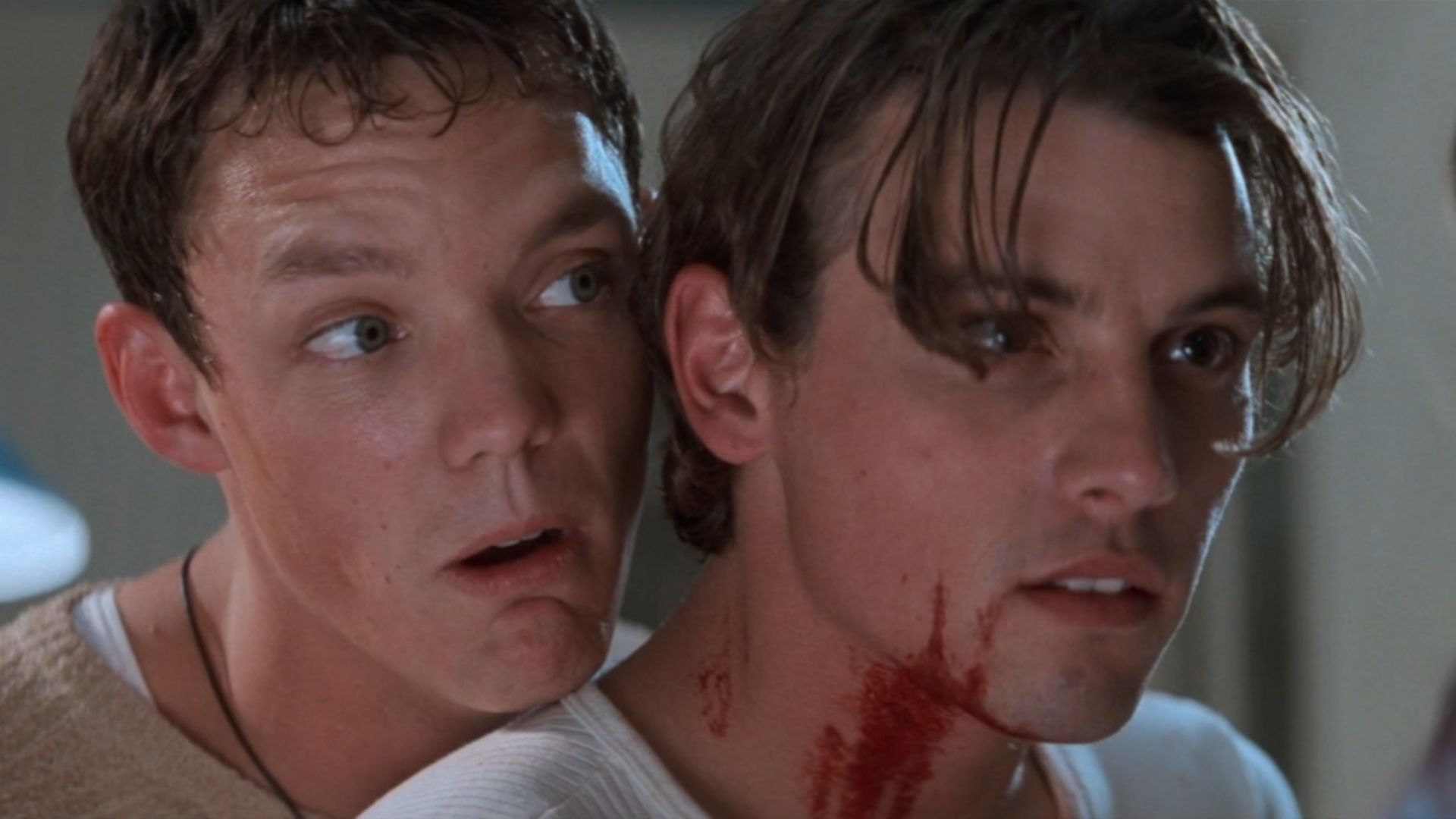
Matthew Lillard is both a beneficiary and a case study. His recent return to the Scream franchise — reprising his role as the twitchy, scene-stealing Stu Macher in Scream (2022) through archival footage, and later appearing in promotional content — wasn’t about his current acting range. It was about triggering memory. It was about the collective gasp when Stu’s face flashed on screen, followed by the uneasy laugh that always came with Lillard’s performances: equal parts charm and menace.
He’s also reappeared in Ted, the 2022 prequel series to the Seth MacFarlane films, playing a younger version of the live-action character. Again: not because Lillard is suddenly “hot,” but because his persona fits a time capsule. His energy, cadence, and physicality — even his wardrobe — telegraph a specific cultural moment.
In both instances, Lillard isn’t being hired for who he is today. He’s being hired for who he was — and who audiences remember him to be.
From Cult Icon to Character Actor: The Career Arc
Lillard’s career trajectory mirrors that of many actors who peaked in youth-driven franchises. He broke out in Serial Mom (1994), played the hyperactive roommate in SLC Punk! (1998), and nearly stole Scream (1996) despite limited screen time. But when the 2000s hit, his momentum stalled. Leading roles in films like The Bridge on the River Kwai parody George of the Jungle 2 (2003) fizzled. Voice work in Scooby-Doo (2002) and its sequels kept him visible, but typecast him as Shaggy — a role he still voices today.
By the 2010s, Lillard had stepped back from leading man aspirations. He focused on theater, indie films, and voice acting. He launched a wine brand, founded a theater company, and embraced a quieter public life. In interviews, he’s spoken candidly about struggling with identity post-fame, about feeling “invisible” despite having worked steadily.
Then came the calls. Not for new characters. Not for original scripts. But for revivals. For callbacks.
When asked why he thinks Hollywood is bringing him back, Lillard didn’t credit his talent, versatility, or work ethic. He pointed to nostalgia — and, more bluntly, to a lack of genuine affection. “I don’t think anyone really likes me,” he said. “They just miss the old times.”
It’s a statement that sounds bitter, but it’s actually clarity.
Why Nostalgia Trumps Talent in Modern Casting

Let’s be honest: Hollywood rarely hires based on merit alone. Connections, availability, and marketability dominate decisions. But in the age of IP-driven content, marketability is increasingly tied to recognition — and recognition is powered by memory.
Consider the pattern:
- Neve Campbell returned to Scream (2022) only after renegotiation, but her presence was non-negotiable for fans.
- David Arquette and Courteney Cox were brought back not because their characters demanded it, but because their absence would feel like betrayal.
- Even minor figures — like Lillard’s Stu — are resurrected through footage, dream sequences, or cameos.
This isn’t about narrative integrity. It’s about emotional continuity.
Lillard understands this. He’s not angry about it. He’s analytical. He sees himself not as a star, but as a cultural artifact. His value isn’t in what he can do today — it’s in what he represented two decades ago.
And he’s not alone. Actors like Tara Reid, James Van Der Beek, and Seth Green have all experienced similar resurgences, often tied to franchises or shows that defined their early careers. Their current work isn’t judged on new performance — it’s evaluated through the lens of past impact.
Nostalgia, in this sense, becomes a surrogate for relevance.
The Psychological Weight of Being a “Memory”
There’s a difference between being remembered and being needed.
Matthew Lillard has been remembered. He’s been referenced, memed, quoted. “Do you like scary movies?” — a line he didn’t even say — is often misattributed to him, such is the strength of his association with Scream. But being remembered doesn’t mean being respected. It doesn’t mean being seen.
In a 2023 interview, Lillard reflected on attending fan conventions: “People come up to me and say, ‘You were my childhood!’ And I think… but I’m still here. I’m still working. I’ve evolved. But they don’t care about that. They want the guy from SLC Punk! with the green hair.”
That dissonance — between who you are and who people remember you to be — is deeply isolating.
It also creates a professional dilemma. Say yes to the nostalgia gigs, and you risk being trapped in the past. Say no, and you might not work at all.
Lillard has chosen pragmatism. He takes the roles, engages with fans, and speaks openly about the mechanics behind his comeback. In doing so, he’s reframed his narrative — not as a has-been, but as a conscious participant in a system he understands all too well.
Is Nostalgia Sustainable? The Limits of a Second Wave
Nostalgia-driven comebacks can reignite careers — but they rarely rebuild them.
For every Robin Williams or Kathy Bates who transitioned from ’80s/’90s fame to sustained late-career success, there are dozens of actors who ride a single wave of revival and then recede again. The problem isn’t talent — it’s opportunity. Studios want the echo, not the evolution.
Look at the Scream franchise. Lillard’s return was symbolic, not structural. He wasn’t woven into the new narrative — he was referenced, remembered, used as a touchstone. His presence served the plot only in absence.
Compare that to Neve Campbell’s role, which, despite controversy over pay, was central to the film’s emotional core. Or Courteney Cox, who remains a series regular. Lillard’s involvement was more akin to a sample in a hip-hop track — a familiar riff dropped in for flavor, then faded out.
This is the ceiling for many nostalgia hires: not co-lead, not supporting player, but Easter egg.
And while it pays bills, it doesn’t offer artistic growth.

Lillard seems aware of this. He’s expanded into entrepreneurship and theater — spaces where he controls the narrative. His production company, Foolish Mortals, produces original work. His wine brand, Full of Clap, leans into his punk roots. These aren’t side hustles — they’re redefinitions.
Because if Hollywood only wants the ghost of Matthew Lillard, he’ll build something real elsewhere.
What Lillard’s Story Teaches Us About Fame, Memory, and Relevance
Matthew Lillard’s insight — that he’s being hired not because people like him, but because they miss who he used to be — is more profound than it first appears. It exposes a fundamental shift in how fame operates.
In the past, stardom was linear: rise, peak, decline.
Now, it’s cyclical: rise, fade, resurface via memory, fade again.
And in this cycle, authenticity is often secondary to association. The real Matthew Lillard — the father, the winemaker, the theater director — is less marketable than the specter of Stu Macher laughing maniacally in a Ghostface costume.
But here’s the twist: by naming the game, Lillard gains power over it.
When an actor acknowledges that they’re being used as a nostalgia prop, they stop pretending. They can choose when to participate, when to pull back, and how to define success on their own terms.
Lillard still acts. He still shows up. But he also builds. He creates. He speaks honestly.
In an industry that profits off memory, his greatest act of resistance might be simply staying present.
Final Thoughts: The Comeback Isn’t the Comeback — It’s the Clarity
Matthew Lillard isn’t bitter. He’s clear-eyed.
He’s not angry that Hollywood wants the 1996 version of him — he’s realistic about it. And in that realism, there’s freedom. He can take the job or walk away. He can engage fans or set boundaries. He can be Shaggy for a new generation or direct a play about modern alienation.
The irony is this: in admitting that people don’t really like him — they just miss the old times — Lillard becomes more likable than ever. Because he’s honest. Because he’s human. Because he’s not chasing relevance — he’s defining it.
Hollywood will keep mining the past. It will keep calling actors back for cameos, voiceovers, and reunion specials. But only a few — like Lillard — will look at the offer and say, “I know why you’re really calling.”
And that awareness? That’s the real comeback.
FAQ
Why does Matthew Lillard think Hollywood is hiring him again? He believes it’s due to nostalgia — audiences and studios miss the characters and eras he represents, not necessarily his current work.
Did Matthew Lillard really say “I don’t think anyone really likes me”? Yes — in interviews, he’s used variations of this statement to describe how he views his recent career resurgence.
What recent roles has Matthew Lillard returned to? He’s reprised Shaggy in Scooby-Doo content and made a symbolic return to the Scream franchise through archival footage and promotions.
Is Matthew Lillard still acting? Yes, though he balances acting with theater, voice work, and running his wine brand, Full of Clap.
How has nostalgia impacted other 90s actors? Many — like Neve Campbell, David Arquette, and Tara Reid — have seen renewed interest in their careers due to reboots and fan-driven demand.
Does nostalgia help or hurt actors’ long-term careers? It can provide short-term opportunities but often limits growth if actors are typecast or only hired for past roles.
What is Matthew Lillard doing outside of acting? He runs a theater company called Foolish Mortals and a wine brand named Full of Clap, inspired by his punk and artistic roots.
FAQ
What should you look for in Matthew Lillard on Nostalgia and Hollywood’s Comeback Calls? Focus on relevance, practical value, and how well the solution matches real user intent.
Is Matthew Lillard on Nostalgia and Hollywood’s Comeback Calls suitable for beginners? That depends on the workflow, but a clear step-by-step approach usually makes it easier to start.
How do you compare options around Matthew Lillard on Nostalgia and Hollywood’s Comeback Calls? Compare features, trust signals, limitations, pricing, and ease of implementation.
What mistakes should you avoid? Avoid generic choices, weak validation, and decisions based only on marketing claims.
What is the next best step? Shortlist the most relevant options, validate them quickly, and refine from real-world results.