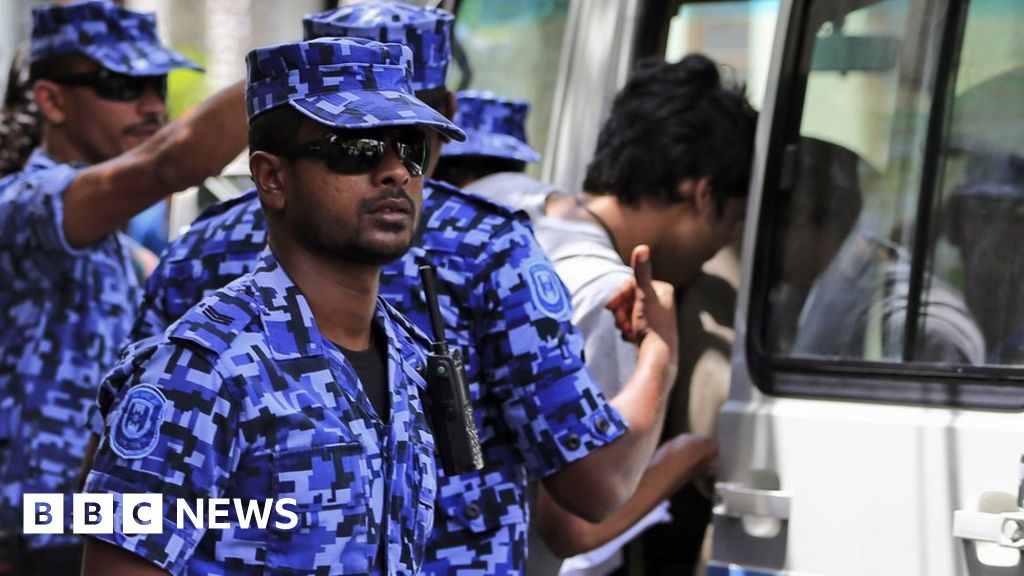
The Maldives’ fragile press freedom landscape has cracked under pressure. In a dramatic escalation, armed police officers stormed the offices of Tahseen News, an independent digital outlet, over a report alleging a personal relationship between President Mohamed Muizzu and a senior female official. The raid—complete with seized equipment, digital forensics, and detentions—has sent shockwaves across the South Asian archipelago, reigniting debates about media independence, executive overreach, and the limits of public interest journalism.
This isn't just about a single article. It’s about what happens when power feels threatened by stories it deems too personal—or too dangerous.
The Raid: What Happened at Tahseen News?
On the morning of February 12, at approximately 7:15 a.m., a 15-officer unit from the Maldives Police Service’s Cybercrime Division arrived at the Malé headquarters of Tahseen News. According to eyewitnesses and staff statements, officers entered without presenting a judicial warrant for physical access—though they later cited an order from the Prosecutor General’s Office authorizing the seizure of digital assets related to the article.
The target: every device connected to the publication of “The First Lady’s Seat: Power, Perception, and a President’s Private Life,” an investigative piece published three days prior. The article, based on anonymous internal sources and circumstantial evidence—including travel logs, meeting minutes, and voice note fragments—alleged an emotional and possibly physical affair between President Muizzu and a high-ranking advisor in the Ministry of Tourism.
During the six-hour operation: - Four laptops and three mobile phones were confiscated - Two senior editors were taken in for questioning (released after 14 hours) - The outlet’s primary server was disconnected and transported to a police forensics lab
No formal charges have been filed against Tahseen News or its staff as of this report, though the government has opened a preliminary investigation into “defamation, privacy violation, and dissemination of false information with intent to destabilize national institutions.”
Why This Report Crossed a Line
Maldivian law, particularly the Penal Code and the Freedom of the Press Act, creates a precarious balance between public interest reporting and criminal defamation. While the 2008 constitution enshrines freedom of expression, Article 24 also allows restrictions “in the interest of national security, public order, or the reputation of individuals.”
- The government’s position hinges on two arguments:
- The report lacked verifiable sources and relied on hearsay
- The President’s private life, even if politically adjacent, is not legitimate grounds for public scrutiny
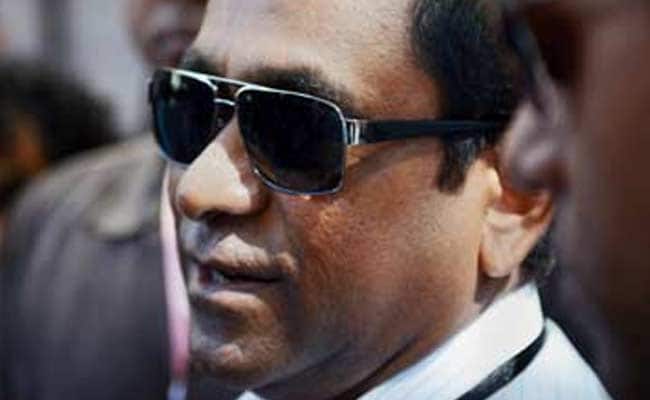
But journalists and civil society counter that the relationship—if real—raises governance concerns. The alleged partner holds decision-making authority over tourism contracts worth millions, a sector vital to the Maldives’ economy. With President Muizzu positioning himself as a transparent, anti-corruption leader, any suggestion of favoritism or inappropriate influence becomes a matter of public accountability.
As Aishath Azma, a media law expert at the University of Malé, stated: > “When private behavior intersects with policy outcomes, it stops being gossip and becomes governance. The real crime here isn’t the article—it’s the raid.”
Media Freedom in the Maldives: A Fragile State
The Maldives has never fully escaped its authoritarian past. Under former President Maumoon Abdul Gayoom, who ruled for 30 years, independent journalism was routinely suppressed. While the 2008 democratic transition opened space for free press, the environment remains volatile.
Recent indicators: - Ranked 97th out of 180 countries in RSF’s 2023 World Press Freedom Index - At least 12 documented cases of journalist intimidation since 2020 - Three independent outlets forced to shut down due to legal pressure or financial strain
The Tahseen News raid fits a disturbing pattern: use of cybercrime and defamation laws to muzzle critical reporting. In 2022, a blogger was prosecuted under the Cybersecurity Act for mocking a cabinet minister. In 2021, a TV station was fined for airing a documentary on judicial corruption.
Unlike those cases, this raid involved physical seizure and state-level escalation. It signals a new threshold—one where the executive branch appears willing to treat journalism as a security threat rather than a democratic function.
Legal Grounds: Was the Raid Justified?
The Maldives Police Service claims the operation was executed under Section 491 of the Criminal Procedure Code and the 2015 Cybersecurity Act, both allowing law enforcement to secure evidence in ongoing investigations. However, legal experts question whether those laws permit the seizure of editorial materials without a clear, court-issued warrant.
Key legal concerns: - No public disclosure of the investigative warrant’s scope - Failure to distinguish between source data and published content - Targeting of third-party platforms (the outlet’s cloud backups were also accessed)
“The police didn’t just collect evidence—they froze an entire newsroom,” said Ibrahim Shareef, a human rights attorney. “That’s not law enforcement. That’s intimidation.”
International precedents, such as the 2021 raid on India’s The Wire or the 2019 seizure of materials from The Manila Times, have been widely condemned by press freedom groups. The common thread? Governments using legal mechanisms to create a chilling effect on watchdog journalism.
Political Fallout: What Leaders Are Saying Domestically, reactions have split along partisan lines.
The ruling Progressive Party of Maldives (PPM) backed the raid, calling the article “morally repugnant” and “a coordinated attack on national unity.” Vice President Hussain Mohamed praised police action as “necessary to protect the dignity of state institutions.”

But opposition parties and civil society groups have pushed back hard: - The Maldivian Democratic Party (MDP) called for an independent inquiry into the raid - The Journalists Association of Maldives declared a 48-hour work stoppage in protest - Over 200 academics and activists signed an open letter condemning “executive overreach”
Internationally, responses have been cautious but clear. The U.S. State Department issued a statement urging “respect for press freedom and due process.” The UN Special Rapporteur on Freedom of Expression expressed “grave concern” and requested access to the investigative files.
Notably, regional neighbors have stayed silent. Neither India nor Sri Lanka has commented—a reflection of the delicate geopolitics at play, especially given the Maldives’ strategic importance in Indian Ocean security.
The Chilling Effect on Investigative Journalism
The immediate impact of the raid extends beyond one outlet. Other independent newsrooms have already begun self-censoring. At Dhivehi Observer, a senior editor confirmed they pulled a pending story about cabinet appointments due to “legal risk assessment.” Maldives Independent postponed an investigative series on procurement contracts.
This is the intended effect—not necessarily to punish one outlet, but to discourage all.
Common tactics in such environments include: - Vague threats of investigation - Delayed but aggressive legal actions - Economic pressure (withholding state advertising, tax audits)
The result? A media ecosystem where only state-aligned or apolitical content survives. Investigative reporting becomes a high-risk endeavor, reserved for exiled journalists or anonymous collectives.
What Happens Next?
The coming weeks will be decisive. Tahseen News has filed a writ petition in the High Court challenging the legality of the raid and demanding the return of equipment. A hearing is scheduled for late February.
Meanwhile, the international community is watching. If the Maldives proceeds with criminal charges against journalists for publishing unverified—but not demonstrably false—claims, it risks: - Suspension from press freedom coalitions - Reduced foreign aid tied to governance benchmarks - Investor concerns over institutional stability
More importantly, it risks normalizing a precedent: that any story touching the president’s personal life is off-limits, regardless of public interest.
That precedent doesn’t just endanger journalism. It erodes democracy.
A Stand for Accountability
The raid on Tahseen News isn’t just about a salacious headline. It’s about who controls the narrative in a young democracy. When police treat journalists like criminals for asking hard questions, the real scandal isn’t in the report—it’s in the response.
Maldivian lawmakers, media leaders, and citizens must demand transparency: release the warrant, return the equipment, and commit to independent oversight of future investigations involving the press. Anything less undermines the very foundations of accountable governance.
For journalists elsewhere: document everything, encrypt your sources, and build coalitions before crises hit. The next raid might not make headlines—but it will still matter.
ACT NOW: Support press freedom in the Maldives by amplifying independent voices, advocating for legal reform, and holding international bodies accountable when democratic backsliding occurs. Silence is not neutrality. It’s complicity.
FAQ
What should you look for in Maldives Police Raid News Outlet Over Presidential Affair Report? Focus on relevance, practical value, and how well the solution matches real user intent.
Is Maldives Police Raid News Outlet Over Presidential Affair Report suitable for beginners? That depends on the workflow, but a clear step-by-step approach usually makes it easier to start.
How do you compare options around Maldives Police Raid News Outlet Over Presidential Affair Report? Compare features, trust signals, limitations, pricing, and ease of implementation.
What mistakes should you avoid? Avoid generic choices, weak validation, and decisions based only on marketing claims.
What is the next best step? Shortlist the most relevant options, validate them quickly, and refine from real-world results.